
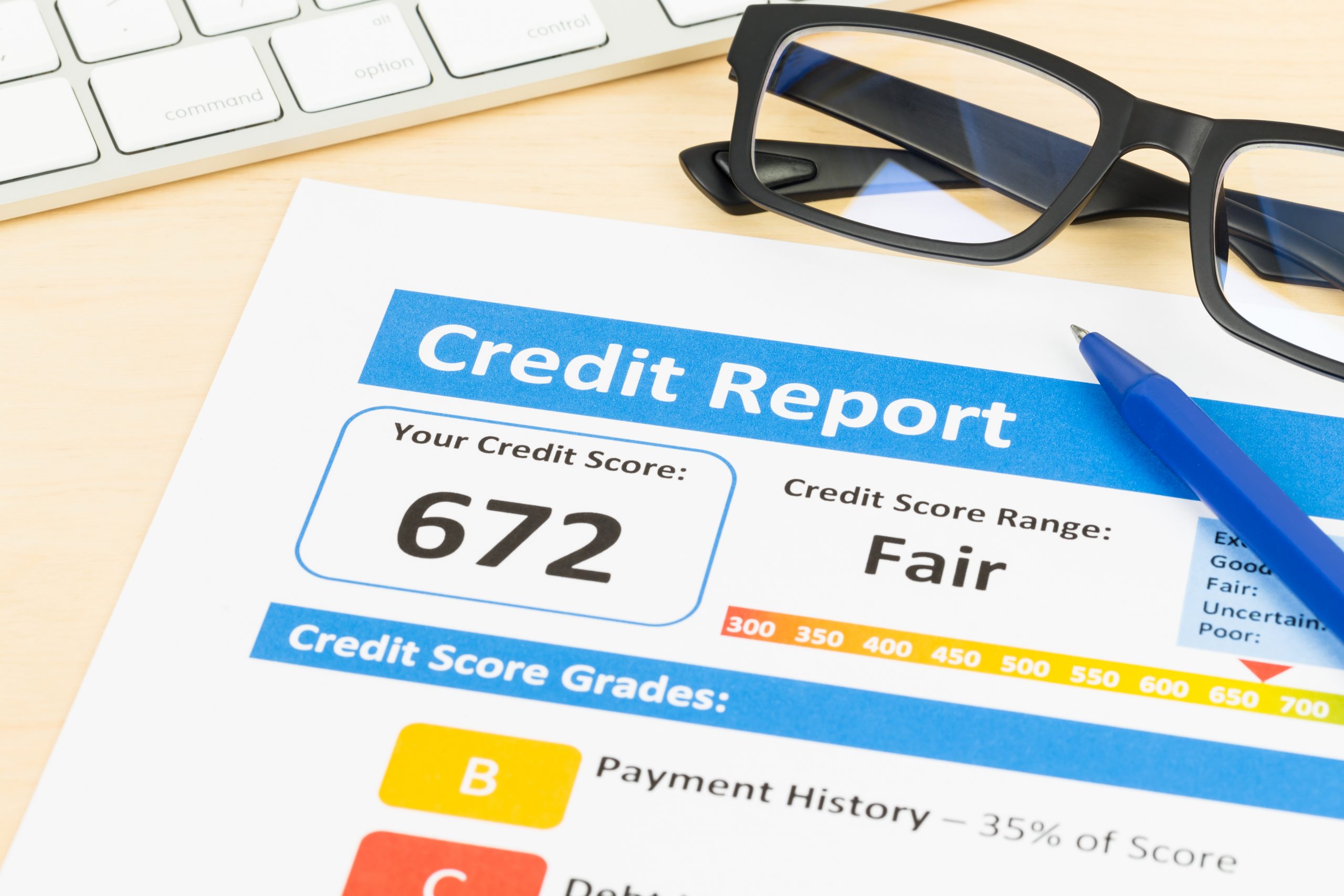
Having false information on your credit report can wreak havoc on your life. A bad credit rating can be used to raise your interest rates, reject your loan application, or cause a potential employer to deny you a job. Still, erroneous information shows up on credit reports all the time. In a recent study, the Federal Trade Commission found more than a quarter of the individuals surveyed discovered at least one error on their credit report that negatively impacted their score.
There are multiple reasons for why this happens. Some mistakes are simple clerical errors where something has been miskeyed or attributed to you from a person with a similar name. Sometimes an account balance is duplicated or hasn’t been reported at all. Divorced individuals might find accounts from their former spouse that are still parked on their report. The crime of identity theft creates situations where a criminal has run up a tab under your name that they never intend to pay. Whatever the case may be, the important thing to recognize is that YOU are the only person with a vested interest in fixing the problem.
Step 1: Review your credit report annually.
Federal law requires the three credit reporting companies to provide you with a free copy of your file once per year. You can request by phone, mail, or internet here. Some situations will entitle you to a second free report, such as unemployment, being the victim of fraud or identity theft, or if adverse information in your report has caused you to be denied a loan, insurance, or employment.
The coronavirus pandemic has created added pressure on individual’s credit and an increase in online purchases. For these reasons, Experian, Equifax and TransUnion are allowing people to access their free reports weekly from now until April of 2021. Again, use the above link to avoid paying a fee. Never before have our files been this accessible.
Step 2: Contact the credit reporting company about any errors.
Send a dispute letter to the credit reporting company showing the error to request that it be removed. (The FTC provides a sample dispute letter format here.) The letter should be accompanied with any evidence (copies of bank statements, payments, receipts, etc.) that backup your claim. Upon receipt, the credit reporting company has 30 days to investigate and report back to you. If they find your dispute has merit, they will amend your report and inform any parties who recently performed a credit check of the error. Even if your claim is not proven, you will have the option to have your credit report list the information as “disputed” while you take additional action.
Step 3: Contact the company or organization that claims the error.
Contact the information provider (the person or business claiming the error) in writing to inform them that you dispute their information on your credit report. (The FTC provides a separate dispute letter template for information providers here.) Like the first dispute letter, it should be accompanied with any evidence or supporting documentation you can provide. If the information provider finds your dispute to be true, they should inform the credit reporting company and have your file updated with correct information.
When these steps fail to fix the problem…
If you have already followed these steps and are not able to make the progress you expected, or if your situation is complicated by instances of fraud or identity theft, consider contacting the professionals at the Law Offices of Jeffrey Lohman. Our team has the experience and expertise to assist you in navigating complicated situations. We understand the nuances of consumer protection law and are ready to help ensure your credit report is right. Contact us for a free consultation today.