
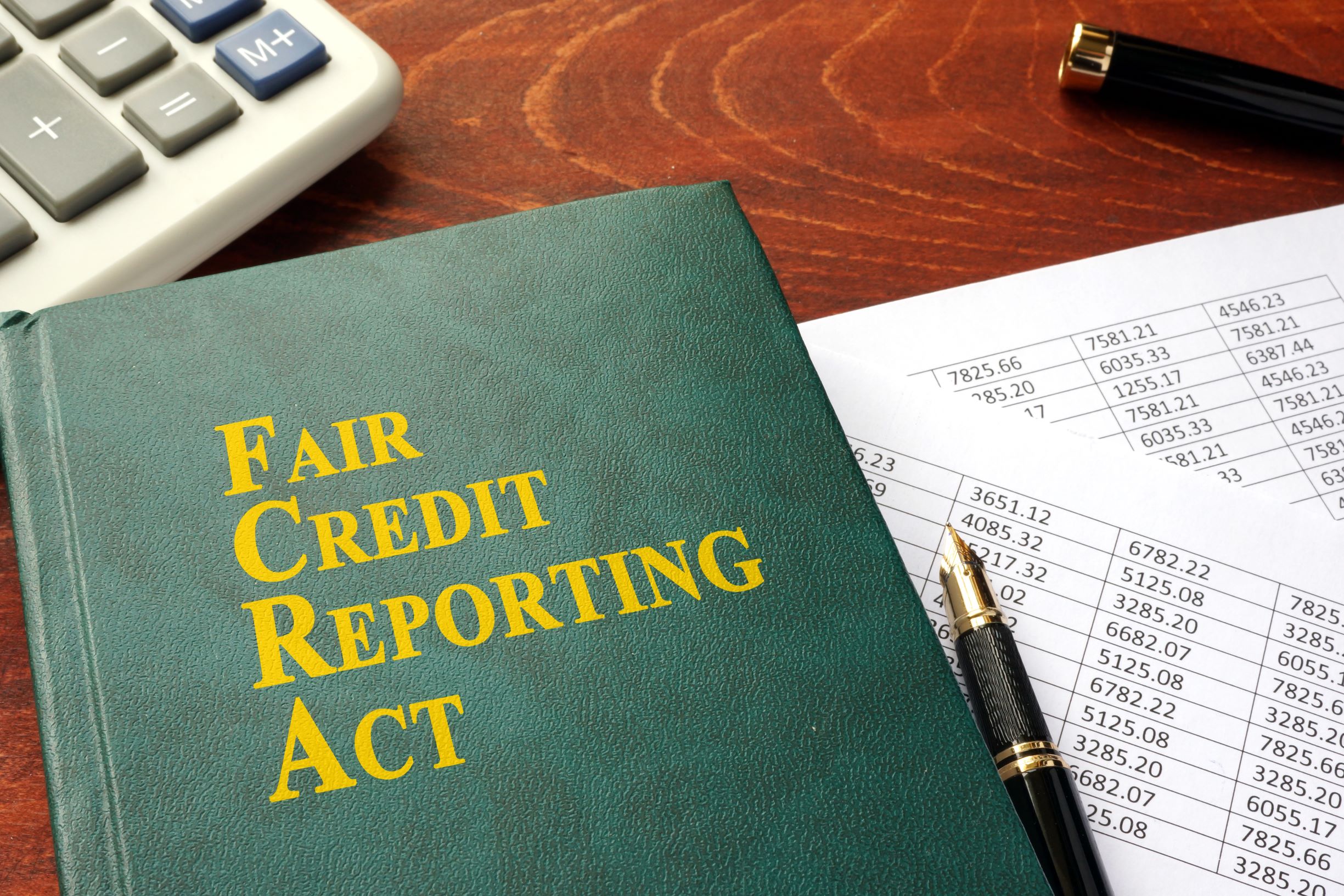
The Fair Credit Reporting Act is a federal law that governs how consumer reporting agencies collect, access, use, and share data. It applies not only to the big three credit reporting agencies, (Experian, TransUnion, and Equifax) but also to specialty agencies that collect and distribute data about your banking history, medical records, and rental history.
The information in credit and consumer reports wields an enormous amount of power. An individual’s data is used to set interest rates on credit cards, loans, and mortgages. Undesirable information in these reports can be used to deny you a loan, job, rental property, or insurance policy. Because of such implications, the federal government established the FCRA in 1970 to outline rights and rules that protect consumers.
The Fair Credit Reporting Act affords you the following rights:
- You have the right to know what’s in your file. Access it once annually for free. Additional free access is provided if adverse action has been taken against you or if you’ve been the victim of identity theft or fraud.
- You have the right to dispute inaccurate information. Agencies must list the information as “disputed” while they perform a timely investigation.
- You have the right to seek damages from violators. You can sue for damages in state or federal court.
The Fair Credit Reporting Act contains the following rules:
- Access to your file is limited. An entity must have a permissible purpose to access your information; it is not public. Permission is usually for consideration of an application with a creditor, employer, insurer, or landlord. Oftentimes your consent is required.
- Consumer reporting agencies must correct inaccurate information. This includes information that is incomplete or unverifiable, which must be corrected or deleted within 30 days.
- Consumer reporting agencies cannot report outdated negative information. Most negative items are removed after seven years. Bankruptcies show up for ten years.
In addition to listing rights and outlining ground rules that dictate how the game is played, the FCRA helps victims of identity theft and fraud with expanded protections. Security freezes and fraud alerts are provided for free to end criminal activity that uses or hurts your credit report standing.
Problems occur when there are disagreements about negative information in a person’s report. If the agency’s investigation does not agree with your claim that negative information is inaccurate, incomplete, unverifiable, or aged-out, the results of not having it removed can be costly. Your budget will shrink from raised interest rates and higher insurance premiums. You could be denied a mortgage or become ineligible for a promotion at work. It’s important to resolve the dispute in a timely manner. These situations justify hiring an attorney.
Consider contacting the team of consumer rights attorneys at The Law Offices of Jeffrey Lohman. Our team specializes in casework involving the FCRA and the interplay with associated applicable state laws. We can help you take action against businesses and agencies that have broken the rules or violated your rights. Contact us today.