
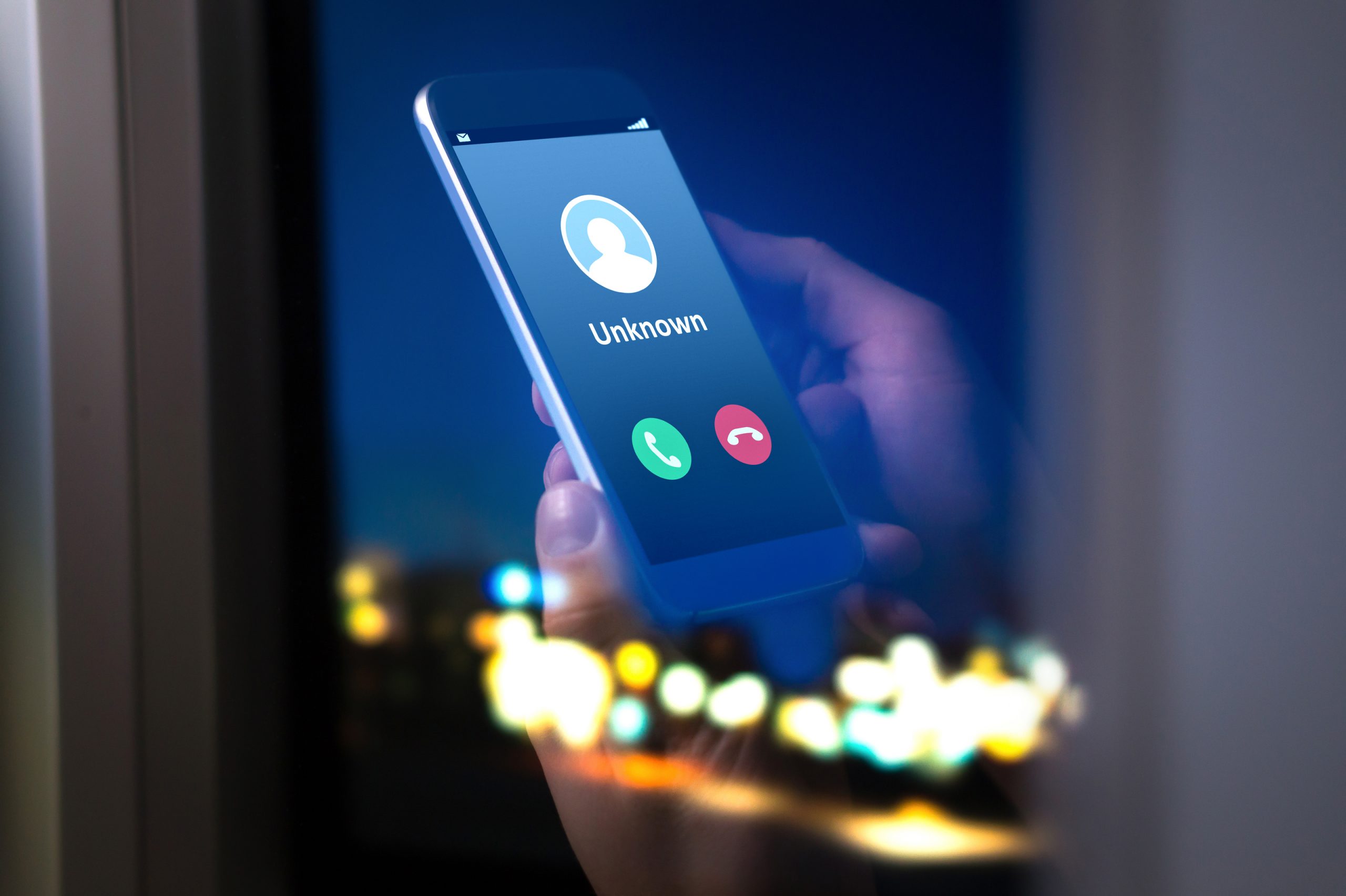
According to data collected by the Federal Trade Commission (FTC), these are a few of the most common current phone scams:
Overpaid Utility Bill Scam
A recorded message informs you that you have overpaid your utility bill, are entitled to a refund and perhaps a discount on future bills. You press a button and are connected to a live person who confirms the news: they are ready to process your money as soon as you provide some personal information.
It’s a trick; a way for thieves to steal your money and identity. If you had truly overpaid your utility bill, they would offer a credit on your next bill. Never give a caller your social security number, account numbers, or bank routing information.
Coronavirus Scams
The worldwide pandemic presents multitude of new opportunities for thieves who prey on anxiety and fear. Recent months have seen an influx of COVID-19-related phone scams where a person is contacted about free masks, test kits, test results, clinical trials, or vaccine options. The caller uses the virus-related reason to gather sensitive personal information or the person’s medicare number. The end game is either identity theft or billing something fraudulent to the medicare number, ultimately leaving them on the hook for a large amount of money.
Don’t fall for it. Things like research, clinical trials, and free supplies don’t require your social security number, bank information, or medicare number. A real clinical trial would be paying you, not requiring payment. Legitimate entities are easy to verify. Be skeptical.
IRS or SSA Scam
Here are two versions of essentially the same scam: a government official reaches out to alert you of something requiring immediate action. In one version, the person on the phone claims to be from the Social Security Administration (SSA) office and is alerting you that your identity has been stolen (or that your benefits would increase if you take immediate action.) In the IRS version, the caller claims to be an Internal Revenue Service (IRS) official saying that you will be arrested shortly unless you pay an overdue tax bill. Both versions of this trick use call spoofing to make the call appear to be from their respective government entity.
The new twist on this scam includes an email that arrives shortly after the call with seemingly real, letterhead documents that back up the grifter’s claim: you owe some money to fix the pressing issue. Together, the call and email can be convincing, intimidating and commonplace; the FTC collected 166,190 complaints about the SSA version of this scam in 2019 alone.
Below are some tactics that should tip you off that it isn’t real. Remember, neither the IRS or SSA office will ever:
- threaten arrest or legal action unless you immediately make payment
- promise a benefit increase or tax break in exchange for payment
- require payment by retail gift card, wire transfer, cash, bitcoin, or prepaid debit card
- send documents with personally identifying information via email
These are just a handful of the current phone scams your family should be aware of. Many of the ones not listed include the same hallmarks: requiring an immediate payment to avoid consequences, the use of atypical, non-secure payment methods, or the sharing of sensitive information. Authorities suggest you hang up and block these types of calls. Don’t answer calls from unknown numbers.
These scams are common because their methods have proven successful. If you or a family member has unwittingly fallen victim to these or other phone scams, contact the consumer protection attorneys at The Law Offices of Jeffrey Lohman. Our staff will guide you through the process of fighting back, recovering lost funds, and restoring your sense of security. Contact us for help today.