
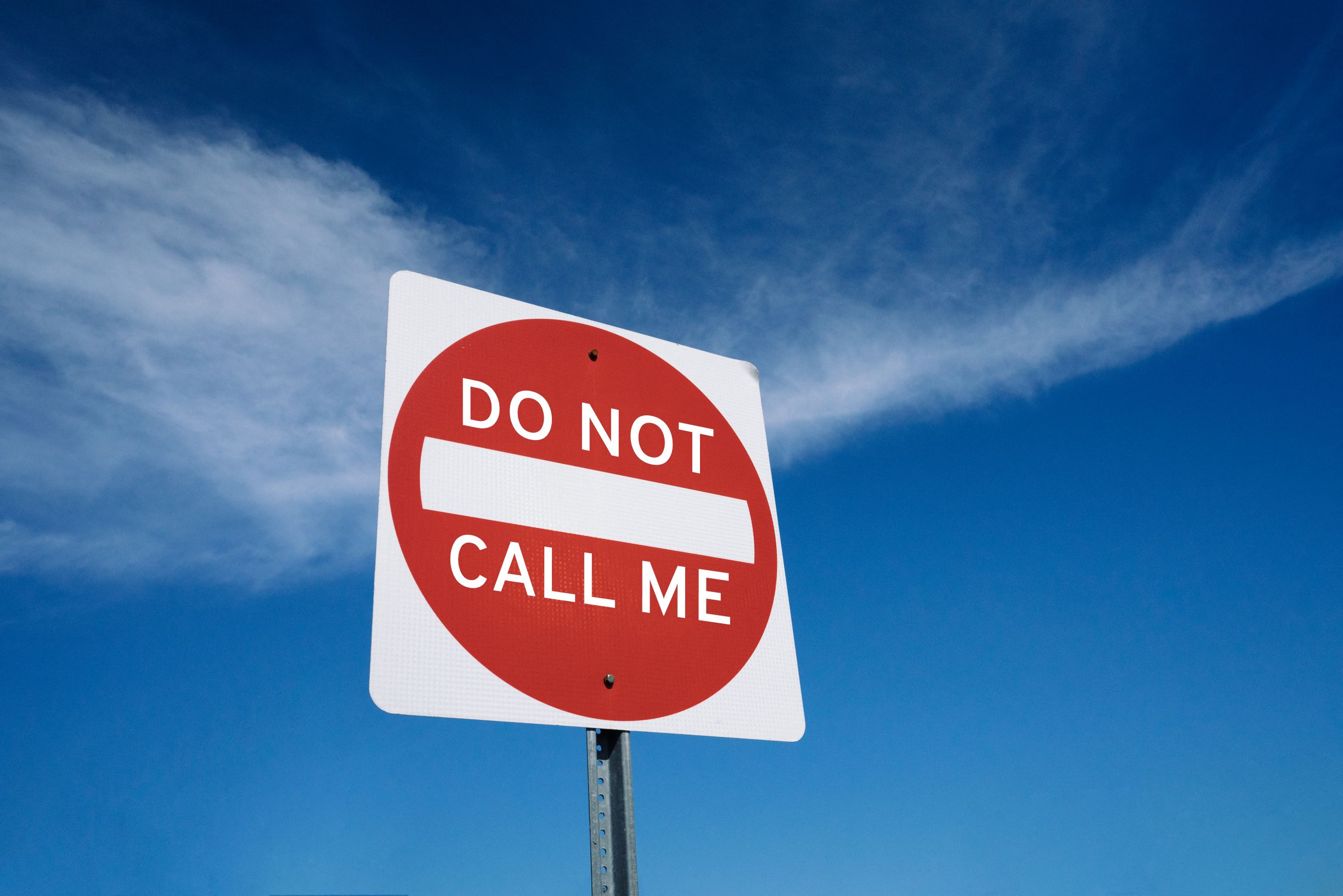
Yes, sort of. Signing up for the FTC’s National Do-Not-Call Registry will dissuade some unwanted telemarketing calls, but there are a couple of catches. One, categories like political robocalls and charities are protected from the Do-Not-Call list, so they are still allowed. Two, the list is “national” and enforcement outside our country’s boundaries is limited.
Some categories are exempt from the registry.
The list was created in 2003 for the purpose of stopping unwanted sales calls and telemarketers. Entities without something to sell are all still allowed to solicit by phone. These categories include political calls, collection calls, survey-takers and charities. Of course, criminals take advantage of any loopholes; recent FTC prosecutions include numerous fake charities claiming to raise money for veterans.
Criminals don’t care about the rules, so the FTC’s laws are unlikely to deter them. Still, two new technologies created since the Do-Not-Call Registry was invented changed the game. Around 2010, internet-based calling made international calls either cheap or free. Then, the advent of “call-spoofing” technology made it possible to fool the caller-ID into displaying a local number. Together, these two changes made it easy for foreign criminal enterprises to auto-dial thousands of numbers at a time while masking their true location and identity. It’s a situation ripe for scammers and fraud; no surprise that there has been an explosion in phone scams in the last several years.
Steps to take:
First, sign up your smartphone or landline on the list at donotcall.gov (If you think you may have in the past, the site allows you to verify any number in question.) You’ll need a working email to complete the two-step process. After 31 days, you are allowed to start reporting offending parties here.
Secondly, augment your phone security. Just like your computer’s antivirus software needs to be updated, your approach to phone security needs to evolve over time. The major wireless carriers all offer app-based options like AT&T’s Call Protect or Sprint’s Call Screener. They are interactive, customizable, and usually free. These apps, along with the call-blocking features offered by wireless and landline carriers, can help diminish unwanted calls.
Third, just don’t answer calls from numbers you don’t recognize. This advice comes straight from law enforcement agencies. You can’t get pitched to or ripped off by a caller you never speak with. Block and report repeat offenders.
The rules exist for a reason.
People who break them should face consequences. Collection calls are subject to a lengthy list of regulations that define what crosses the line into harassment. Telemarketing and sales calls have restrictions, too; they cannot call you to solicit without your permission once your name is on the Do-Not-Call Registry. The current fine for violating the list is $40,000.
The FTC logged 5.4 million complaints about telemarketing in 2019, 71% of which were about robocalls. By their own admission, they can only investigate and prosecute a small fraction of them. Taking legal action on your own might be your best way to fight back.
Don’t put up with being harassed by illegal phone calls; contact the attorneys at The Law Offices of Jeffrey Lohman. If your consumer rights have been violated, our team will help you get the proper documentation and recordings to put an end to illegal phone calls. In some cases, clients are awarded damages. Take matters into your own hands by contacting us today.